
Movie
Documentary
History
Cover-Up
7.1Dec 19, 2025117 min
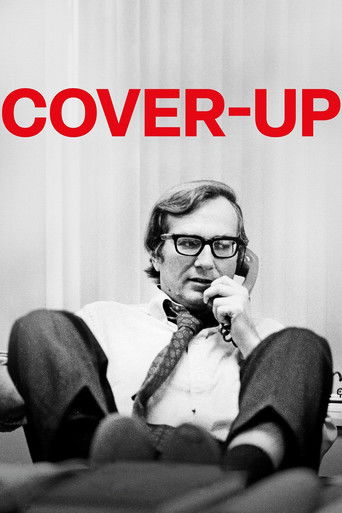
He's devoted his career to uncovering stories the powerful want buried. From My Lai to Abu Ghraib, dig into the life's work of journalist Seymour Hersh.
He's devoted his career to uncovering stories the powerful want buried. From My Lai to Abu Ghraib, dig into the life's work of journalist Seymour Hersh.
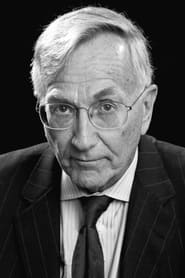
Self - Investigative Journalist
Self - The Washington Post
Self - The Washington Post (archive footage)
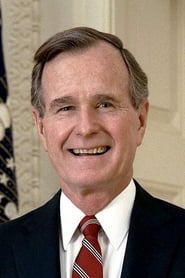
Self - Former CIA Director (archive footage)
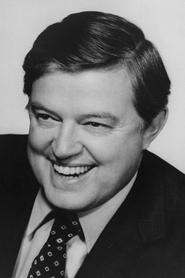
Self - Chairman, Senate Select Committee (archive footage)
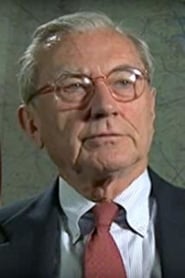
Self - Former CIA Director (archive footage)

Self - Former CIA Director (archive footage)
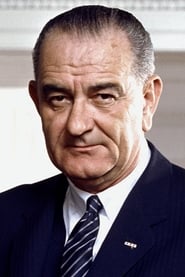
Self - 36th President of the United States (archive footage)
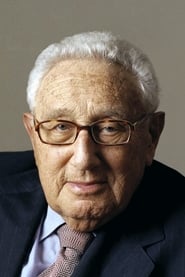
Self - Secretary of State (archive footage)

Self - 37th President of the United States (archive footage)
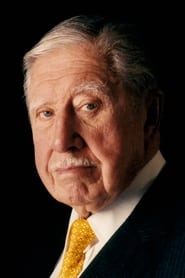
Self - Chilean President (archive footage)
Social
Community reviews published on TMDB.
In an age where it seems that troubling developments are ubiquitously lurking beneath the surface of public awareness, the need for intrepid investigative journalists to bring these stories to light is probably greater than ever. Unfortunately, such reporters have increasingly become a vanishing breed, especially in the mainstream media. Luckily, though, there are still some committed, courageous correspondents out there – mostly free-lancers – who are diligently working to bring these revelations to light. And one of the most prolific among them is veteran investigator Seymour “Sy” Hersh, who has made a career out of uncovering some of the biggest news stories for over 60 years. That prolific legacy is now the subject of a new documentary from directors Laura Poitras and Mark Obenhaus, showcasing the 88-year-old’s many accomplishments, beginning with his exposé on the 1968 My Lai massacre (one of the Vietnam War’s watershed moments) and continuing up to his present-day reporting on incidents in global hot spots like Ukraine and Gaza. Viewers also learn of his diverse interim initiatives in covering the questionable practices of public figures like Henry Kissinger and clandestine organizations like the CIA, the atrocities of institutions like Iraq’s infamous Abu Ghraib prison, and the dubious ventures undertaken by major corporations, all through articles in various periodicals and an array of books. Over the years, Hersh has also bolstered the efforts of fellow journalists by helping to keep their stories alive when public interest in them was tepid, as evidenced, for example, by his supplemental coverage of the Watergate scandal, material that dovetailed the groundbreaking but underappreciated work of Washington Post reporters Bob Woodward and Carl Bernstein and helped to elevate awareness of that incident. In addition, the film profiles Hersh’s life outside the journalistic trenches, showing how his unplanned entry into the field was itself almost a sort of happy accident, one for which truth seekers and concerned citizens should be thankful. On balance, the filmmakers present an even-handed and comprehensive biography of their subject, driven by candid interviews with Hersh, accompanied by commentary from those who know and have worked with him, as well as a wealth of supporting archive footage. Admittedly, there are times when the narrative could benefit from some better organization of its content, given its tendency to occasionally skip around needlessly, an issue that has shown up in some of Poitras’s previous offerings. However, to its credit, this recipient of the National Board of Review’s award for best documentary of 2025 nevertheless provides audiences with an informative and enlightening look at a man who has made us aware of a good many things that we might not have otherwise heard of. Indeed, we’re collectively better off for having had Hersh’s presence in our lives. After all, just think about everything we might have missed out on if he hadn’t been there to write about it.
I thought there something of the Sydney Schanberg to parts of this powerful biographical documentary on acclaimed American investigative reporter Seymour Hersh. Perhaps that's because like Schanberg's reportage from the neighbouring Killing Fields, he started his career in Vietnam and reported on matters that many at home didn't really want to read. His initial focus wasn't so much on the brutalities of the VC, though, as on the shocking actions of certain American soldiers who were accused of slaughtering unarmed civilians. Facing fairly unbridled hostility from the press and the government at home, it proved a struggle to get his story published let alone pursued by the authorities or appreciated by a public who found his style of journalist seditionary. Thereafter this man seems to have been fortified by that initial experience and so using additional archive from many a major domestic and international conflict from then through to Syria whilst adding some aspects of Watergate and the efforts of the Nixon/Kissinger years controlling the CIA, we follow the career of a man who has never shied away from telling his truth. It's all the more impressive to watch as a compendium of stories unfold over the decades yet his problems of evidencing and getting published - even when an household name, never seem to become any simpler in the face of official denials or intransigence and of public threats. He's no saint this man, indeed sometimes he comes across as quite a cranky and opinionated individual - but always as someone obsessed with a form of open access to fact that must surely underpin any democracy, and now in the face of secret files and profiles being kept on just about all of us, even more so. There are plenty of associate contributors who add extra depth to his story and who corroborate not just much of his journalism but also validate many of the obstacles that he had to overcome to get into print too. On reflection, it is quite astonishing just how much more sits in the domain of public information thanks to the tenacity of people like Hersh, and of how potent his fair-minded and scrutinising writing is at galvanising and informing opinion. In a world where verifiable journalism is dying on the vine, he holds out some hope that quality might prevail over quantity.



Featurette
Open on YouTubeFeaturette
Open on YouTubeTrailer
Open on YouTubeFeaturette
Open on YouTubeFeaturette
Open on YouTubeClip
Open on YouTube