Movie
Drama
Horror
Fantasy
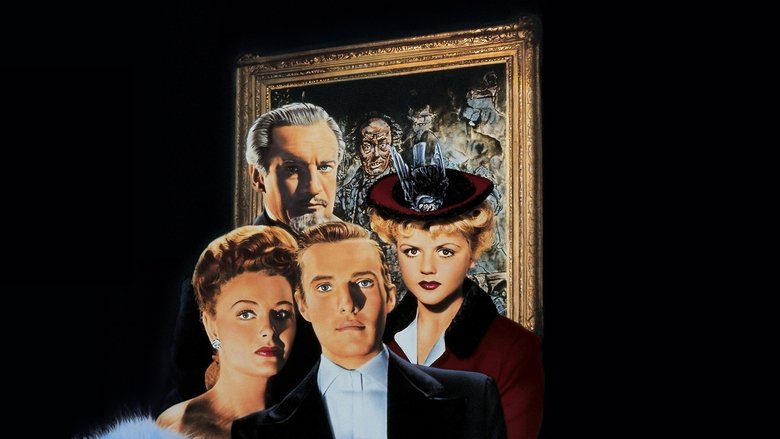
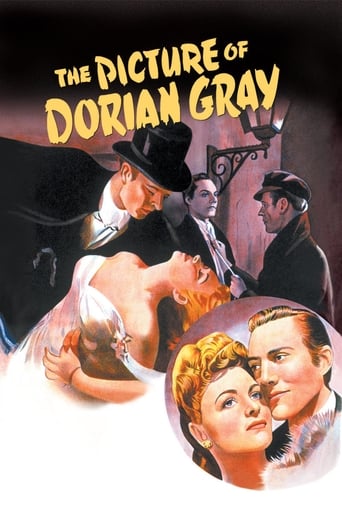
The Picture of Dorian Gray
Why did women talk about Dorian Gray in whispers?
7.1Mar 3, 1945111 min
A handsome young man trades his soul so that his portrait ages while he stays eternally young.
Why did women talk about Dorian Gray in whispers?
A handsome young man trades his soul so that his portrait ages while he stays eternally young.
Social
Community reviews published on TMDB.
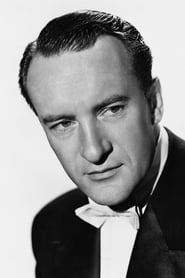
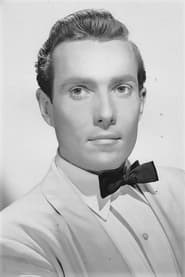
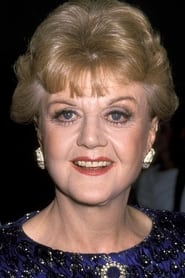
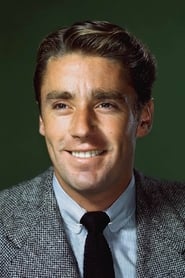
It's only shallow people who require years to get rid of an emotion. The Picture of Dorian Gray is directed by Albert Lewin, and he also adapts the screenplay from the novel written by Oscar Wilde. It stars Hurd Hatfield, George Sanders, Angela Lansbury, Donna Reed, Peter Lawford, Lowell Gilmore, Richard Fraser and Douglas Walton. Music is by Herbert Stothart and cinematography by Harry Stradling Sr. Dorian Gray of Mayfair and Selby. Oscar Wilde's Faustian tale about a young Victorian gentleman who sells his soul to retain his youth is given a magnificent make-over by MGM. Pumping into it a budget reputedly of $2 million, the look and feel is perfect for this macabre observation of vanity, greed and self destruction. In many ways it's still an under valued movie, mainly because there will always be Wilde purists who think it lacks the writer's poetic spikiness, while horror fans quite often venture into the picture expecting some sort of violent classic ripe with sex, drugs and debauchery unbound. Lewin crafts his film in understated manner, never allowing the themes in the source material to become overblown just for dramatic purpose. He cloaks it all with an atmosphere of eeriness, thus keeping the debasing nature of Dorian Gray subdued. The horror aspects here mostly are implied or discussed in elegantly stated conversations, where the horror in fact is purely in the characterisation of Dorian himself. We really don't need to see actual things on screen, we are urged to be chilled to the marrow by his mere presence, and this works because Lewin has personalised us into this man's sinful descent by way of careful pacing and character formation. There are some jolt moments of course, notably the famous inserts of Technicolor into the black and white film, the impact of such bringing the portrait of the title thundering into our conscious. However, this is not about thrill rides and titillation, because the film, like its source, is intellectual. Lewin is aided considerably by Stradling's beautiful photography, which in turn either vividly realises the opulent abodes or darkens the dens of iniquities, so just like Lewin, Stradling and the art department work wonders and prove to be fine purveyors of their craft. Hatfield is wonderful, it's an inspired piece of casting, with his angular features and cold dead eyes, he effortlessly suggests the black heart now beating where once there was a soul. Yet even he, and the rest of the impressive cast, are trumped by Sanders as Lord Henry. Cynical, brutal yet rich with witticisms, in Sanders' excellent hands Lord Henry becomes the smiling devil like mentor perched on Dorian's shoulder. Dorian and Lord Henry are movie monsters, proof positive that not all monsters need to be seen hacking off limbs or drinking blood. In this case, the decaying of the soul is a far more terrifying experience. Fascinating, eloquent, intelligent and frightening. 9/10
Ok, so I know the book is all about "Dorian Gray" but for me this was always really about the ghastly character of "Lord Wotton" and who better than George Sanders to pick up that particular silk hat? He is determined to corrupt the naive and impressionable young "Dorian" (Hurd Hatfield) much like a cat with a mouse and so arranges for his friend "Basil" (Lowell Gilmore) to paint his portrait. These two men do start to become friends, and so once it's completed "Dorian" is given the portrait and as he gazes upon it's beauty he wishes that he would always look like that! Like many of the gentry of later Victorian times, he liked the company of the working class woman and so heads to an East End boozer where he meets and falls for "Sybil" (Angela Lansbury). "Wotton", though, still wants to play his games with his boy toy and so sets some cats amongst the pigeons that set "Dorian" on an increasingly selfish and self-destructive course that loses little of it's conviction as the years age everyone else but him. To add to his increasingly self-induced woes, those around him naturally become suspicious of his youthful longevity and that soon requires "Dorian" to take some drastic steps to keep his attic secret, well, secret. If ever there were to be a story of being careful what you wish for, then this Oscar Wilde tale has to be it. What seems perfect to "Gray" when he is young becomes something of a prison and Hatfield works well with the vanities of a role that is really quite tough for anyone watching to care for at all. The reverse is true of Lansbury's attractively presented "Sybil" and Donna Reed's "Gladys" who provides the later love interest and who also serves to be quite a fulcrum for the increasingly conflicted "Dorian". It's still Sanders, though, whose smarm-charm worked wonders here and stole the show and there is also one burst of colour amidst this monochrome depiction of the great and the good of an excess-driven London town that's really quite effective, too. This is a classy piece of cinema that does justice to a multi-layered story and it's well worth a watch.


Trailer
Open on YouTube