Core Kyoto - Season 3
Browse all 20 episodes in this season, including available images, air dates, runtimes, ratings and episode summaries from TMDB.
Episodes

Episode 1
The 10 Artisans of Senke: Tea Utensils Heighten Rustic Simplicity
Around 400 years ago, Sen-no-rikyu pursued the art of heart-to-heart communication through a bowl of tea and advanced the wabi-cha style of tea ceremony, stressing the beauty within simplicity. The utensils are vital in conveying the hosts' sentiments. The essence of wabi-cha pervades the utensils made by 10 artisan families, purveyors to the Sen clan. Watch these artisans at work in a range of crafts from lacquerware to joinery and discover the spirit and aesthetic sensibilities of Kyoto.

Episode 2
Kyoto Tsukemono: Pickles Enhance a Meal's Taste
Kyoto tsukemono, or pickles, are made with various combinations of pickles and agents to preserve seasonal vegetables. Of these, three major varieties are still made using unique methods. Suguki turnip pickles, once made by Shinto priestly clans, have a rich, sour taste. Shibazuke pickled eggplants have the reddish hue of shiso leaves. One family makes senmaizuke white-turnip pickles with a special recipe. Discover the wisdom and skill accumulated over centuries that make vegetables tastier.
Episode 3
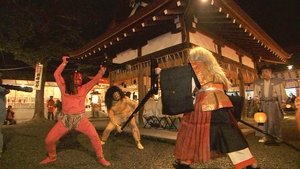
Setsubun: Out with the Demons and in with Fortune in the Spring
February 3 is New Year's Eve by the old, lunar calendar and is the boundary between winter and spring. On this day, called Setsubun, households scatter soybeans for good fortune in the coming year, expelling the demons that represent misfortune and calamity. The shrine Yoshida Jinja protects Kyoto at the 'demon's gate' in the northeast with a ritual in which the 'shaman' wears a four-eyed mask. Farmers in rural areas uphold the custom of driving out moles. Disguised geiko pray for protection against evil. Discover how Kyotoites pray for order in life through these safeguarding traditions.
Episode 4
Kyoto Sake: A Mellow Taste That Enriches Kyoto Life
In the ancient capital, sake was for religious and imperial rites. Made exclusively at the imperial brewery, the process evolved under the influence of palace cuisine. Kyoto with its bountiful water supply is ideal for production, and Fushimi later prospered as the sake brewing area. Gaining attention with the popularity of Japanese cuisine, sake is one of few alcoholic beverages in the world served hot or chilled. Discover the brewing process and the influence Kyoto sake had on Japan's culture.

Episode 5
The World of Kimono: Kyoto's Timeless Sense of Beauty
Kyotoites have an affinity for the kimono that shares deep ties with traditional culture. A kimono researcher explains its aesthetics and the wisdom within this traditional clothing. The obi is an infinite expression of beauty. Wearing white socks is a sign of purity. Generations wear the same kimono, because it can be re-sown. Men's kimono exude style with lavish patterns in the coat lining and the family crest on formalwear. Discover the world of kimono, imbued with Kyoto's sensibilities.

Episode 6
Kyoto's Cafe Culture: A Cup Full of Local Hospitality
After the first cafe opened in Kyoto in 1930, a coffee culture flourished as coffee salons enjoyed the patronage of local merchants, who prided themselves on staying abreast of the latest fashions. Kyotoites always placed the utmost importance on hospitality. Cafes may be relatively new to the cityscape, but they exude the local spirit of hospitality. Owners of distinct cafes find ingenious ways to infuse their service with this ethos. Discover the charm of Kyoto cafes while sipping on a brew.
Episode 7
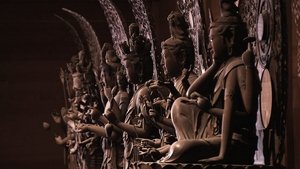
Belief in Kannon: The God of Mercy Redeems All
Kannon Bosatsu is warmly worshipped, a comfort for the heart. The subject of many paintings and statues, he saves people across Buddhist sects. The 11-faced Kannon faces each direction in search of people to save. The 1,000-armed Kannon holds objects used to relieve people's anguish. Kiyomizu-dera, where memorial services are held for him, attracts worshippers seeking salvation. Watch a sculptor carve a statue of Kannon. Discover the deep faith Kannon has drawn among Kyotoites over centuries.

Episode 8
Modern Architecture: Breathing Life into the Ancient Capital in a New Age
In the late 1800's Kyoto architects and builders were the first to embrace change as Japan modernized. They incorporated the unusual Western designs into their buildings, changing the cityscape with its many temples and shrines. The great achievements of these pioneers remain today, used as public institutions, places of learning, worship and business. Conspicuous yet congruous, they represent the dawn of a new era. Discover the modern architecture in the ancient capital, whose colors never fade.

Episode 9
Kyogen: Laughing at the Absurdities of Life
Kyogen is a traditional performing art, popular in Kyoto for more than 600 years. Noh evolved at around the same time and draws many of its tragic plots from historical events. But Kyogen is more accessible, because it uses the vernacular and draws humorous themes from everyday situations, such as blunders and marital tiffs and other events. The Shigeyama family has been active in the art since the early 1700s. Mibu Kyogen evolved as religious drama. Discover the Kyoto's culture of laughter.
Episode 10
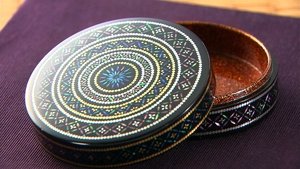
Kyoto Decorative Arts: The Artisans' Unceasing Pursuit of Beauty
The decorative arts evolved throughout during the city's 1,200-year history and survive today. Kyoto's reputation commands the highest quality, and many works of stunning beauty emerged as artisans refined their techniques and aesthetic sensibilities. With strict attention to detail, the artisans devote themselves to and project their sensitivities onto each piece they create. Discover the pinnacle of Kyoto beauty as seen in the supreme decorative arts of kirikane, shippo, kyo-nui and raden.
Episode 11
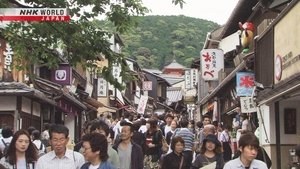
Around the Temple and Shrine Gates: Activities Along the Approaches Connect People
Kyoto is home to many Buddhist and Shinto head temples and shrines. The approaches to the gates have long attracted vendors plying local specialties to worshippers. Kiyomizudera Monzenkai was formed by vendors along Kiyomizu-dera's approach as a vigilante group to protect the temple. When Nishihongan-ji was established 400 years ago, a "temple town" developed near its gates, and it thrives today with stores selling Buddhist items. Toji's Kobo Market connects the hearts of everyone who gathers.
Episode 12
Shidashi-ryori: The Refined Hospitality of Catered Meals
Shidashi-ryori is Kyoto hospitality. Kyotoites do not serve visitors and honored guests homemade dishes on ceremonial occasions. The convention is to entrust the preparations to trusted caterers. The caterers fulfill their customers' needs, be they budgetary or ingredients. Caterers in different districts specialize for the local clientele: shojin-ryori for temples, kaiseki for tea gatherings, courses for entertainment districts. Discover bento meals and other various forms of shidashi-ryori.

Episode 13
The Capital of Peace and Bliss: Kyoto Streets Still Bear Hideyoshi's Mark
The ancient capital was devastated during a period of intense war lasting 2 centuries until the late 16th century, when Toyotomi Hideyoshi assumed supreme power. He envisioned rebuilding a city that would prosper through a free economy and a stable government. A rampart was built around Kyoto, and rezoning increased residential areas. Hideyoshi's palace of gold was a symbol of his glory, and he influenced the lavish Momoyama culture. Discover the traces of Hideyoshi's legacy in Kyoto, today.
Episode 14
Uji: The Aristocrats' Playground Where Fleeting Dreams Linger
For Heian aristocrats some 1,200 years ago, Kyoto life was the world of officialdom. Uji, located southeast of the capital, was the retreat where they let their bodies and minds run free. It represented the transience of the material world as depicted in the classic novel, The Tale of Genji. The nobles embraced Uji-grown tea, which sustained the tea ceremony, and the pastime of cormorant fishing, and gave them form. Byodo-in was later built by the Jodo Sect to represent the Pure Land of Buddha.

Episode 15
The Essence Behind Kyo-ryori: The Chefs' Dedication in the Detail
Kyoto cuisine evolved in the old capital to please aristocratic eyes and palates. The local soft underground water inspired a cuisine that draws out flavors using dashi stock. Seafood was geographically hard to get, so locals refined techniques and contrivances, and the use of seasonings and utensils, for making tasty dishes with the available produce. Artisans provide quality products to maintain this food culture. Discover how the chefs' attention to detail brings out the ultimate in flavors.

Episode 16
Kyoto Woodcraft: Prominent Woodgrain and Refinement of Use
Over its 1,000 year history as capital, Kyoto attracted craftsmen with outstanding artistry from around Japan. They made quality implements and furnishings, and the craft developed a distinct Kyoto refinement that became renowned. The craftsmen's knowledge of wood they work and their command of the delicate processes convey the traditions that survive to this today. Discover how various Kyoto woodcraft traditions evolved by watching the turners, joiners, coopers and other craftsmen at work.

Episode 17
Iwashimizu-sai: The Ritual in the Gloom in Respect for All Life
Iwashimizu Hachiman-gu lies in the southwest of Kyoto Prefecture. On September 15, this shrine holds the Iwashimizu-sai. This some 1,000-year-old festival is held in prayer for the peace of all living things. In the darkness at 2 a.m., the mystical ritual begins with three mikoshi portable shrines, on which the deities ride, departing down the mountain. The scene is a living manifestation of ancient picture scrolls. Discover the Kyotoites' respect for life through this festival's rituals.
Episode 18
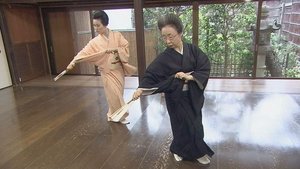
Traditional Kyoto Dance: Gion's Consummate Art Exalts Life
The Inoue School of Dance evolved as a distinct form of traditional Japanese dance in Kyoto. Danced to a shamisen and song backing, it developed exclusively for the geiko and maiko of Gion Kobu, Kyoto's largest entertainment district. Traditional Kyoto dance, or Kyo-mai, exalts life and can represent urbane people by acting out the universal emotion of females. Discover the consummate art of Kyo-mai with its history of more than 200 years through the current 5th head of the Inoue School.

Episode 19
Kyoto's Rebirth: The Ancient Capital Prospers Anew
Kyoto today is a bustling tourist destination, but there was a time when it had lost its sparkle. The emperor moved to Tokyo 120 years ago to forge a modern state, and many followed, depleting the population. This crisis shook the city's foundation, but it reinvented itself through modern public works and other initiatives. The Jidai Matsuri pays homage to the past with 2,000 people parading in period costumes. Discover the citizens' resilience as they redefined their city, creating a new Kyoto.

Episode 20
Folding Screens: Refined Furnishings Enhance Their Surroundings
Byobu, or folding screens, were introduced to Japan in the 7th century as room partitions and windbreaks. Their distinct form today was shaped by Heian lifestyles and sensibilities, and they were elevated to an art form. Byobu are used to indicate the seasons. Gold screens grace formal receptions. Japanese artists are still drawn to them as a medium, and they produce byobu for religious and secular uses. Mounters uphold age-old techniques to restore them. Discover the profound allure of byobu.